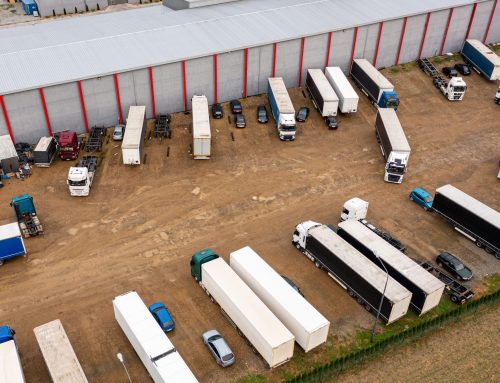
Using a regular passenger car daily doesn’t usually involve hauling tonnes of cargo. But braking demands are on another level for heavy-duty vehicles, like trucks, buses, and trailers. This is where air brake systems come in. Air brakes use compressed air to apply braking force, contrasting with hydraulic brakes found in many smaller vehicles. They provide a powerful, consistent stopping ability necessary for larger commercial vehicles.
Although air brake systems are designed for resilience and safety, they require constant care to function at their best. In this article, we’ll walk you through how air brakes work, why regular air brake maintenance is fundamental, and the dangers of neglecting this indispensable component.
What are Air Brake Systems?
Air brake systems use compressed air to engage a vehicle’s brakes. Air flows through a network of air brake valves and tubes to activate brake components at each wheel when a driver presses the brake pedal. This system includes:
- Air compressor: Pressurises the air used for braking.
- Reservoir tanks: Store compressed air until it’s needed.
- Air brake valves: Control airflow and manage pressure levels.
- Brake chambers and push rods: Convert air pressure into mechanical force to slow down the wheels.
This setup is extensively used in large commercial vehicles because of its dependability and safety. A major advantage of air brakes is the fail-safe mechanism: if the system loses pressure, spring brakes are automatically employed to prevent the vehicle from moving.
Why Maintenance of Air Brake Systems Matters
Regular air brake service may be good practice, but it’s foundational for safety, legal compliance, and long-term cost savings. Here’s why:
Safety First
A properly functioning air brake system certifies that your vehicle can stop quickly and reliably, even under load. A malfunctioning system can result in brake fade, increased stopping distances, or total brake failure and put lives at risk.
Legal Compliance
South African road regulations require all commercial vehicles to maintain their braking systems to specific standards. Failure to comply may attract heavy fines, impoundments, or liability in the event of an accident.
Affordability
Neglected air brake equipment can lead to expensive repairs or replacements. Regular inspections can identify and resolve issues, like minor air leaks or worn seals, before they become major problems.
Common Issues with Air Brake Systems
Lack of air brake maintenance can cause a range of serious issues, including:
Air Leaks
Air leaks lessen system pressure, which can delay braking or trigger emergency braking systems unexpectedly. These are usually caused by damaged hoses, cracked fittings, or loose connections.
Worn Components
Brake pads, air brake valves, and diaphragms wear down over time. They can lead to uneven braking or total system failure if not replaced.
Contaminated Air
Moisture or oil in the air lines can cause corrosion and lower braking efficiency. Air dryers and filters need constant checking and servicing.
Brake Fade
Overheating, which is mainly triggered by downhill drives, can cause brake fade (where the brakes lose functionality). This is likely a sign of poor maintenance or worn components.
Professional Air Brake Services: What to Expect at Sharp Brake
We specialise in servicing all kinds of air brake systems for industrial vehicles. An ordinary service includes:
- Full inspection of air brake valves and lines
- Leak detection and pressure testing
- Reconditioning and replacement of worn or damaged air brake equipment
- Cleaning and lubricating moving parts
- Assessments of air brake valves and compressors
We use only superior replacement parts to guarantee your vehicle remains roadworthy and safe.
Learn more about South African braking systems by reading, Best Braking Systems for SA Roads – Key Features.
Frequently Asked Questions
What vehicles use air brake systems?
Air brakes are primarily used in heavy-duty vehicles such as trucks, buses, trailers, and some large caravans. They’re optimal for vehicles that carry substantial weight and require strong, unfailing braking power.
When should air brakes be serviced?
It’s recommended to inspect air brake systems every 3 to 6 months, based on vehicle usage. High-mileage or heavily loaded vehicles may need more checks.
What are the signs of an air brake problem?
General warning signs include hissing sounds (indicative of air leaks), delayed braking response, dashboard warning lights, or a spongy brake feel. If you notice any of these, book a professional inspection immediately.
Are air brake systems better than hydraulic brakes?
For commercial vehicles, definitely. Air brakes are stronger and have a built-in safety mechanism that activates the brakes if system pressure drops, something hydraulic systems do not offer.
Can I drive with a minor air leak?
No. Even a small air leak can compromise braking performance and trigger legal penalties. Immediate inspection and repair are not negotiable for road safety.
Conclusion
Air brake systems are the core of secure operation for commercial trucks, buses, and trailers. Knowing how they work helps you appreciate the importance of regular air brake maintenance. This keeps your business running smoothly and protects your drivers, cargo, and the public.
If you suspect your air brakes might be underperforming, don’t delay. Contact Sharp Brake today for expert air brake services and reliable parts to keep your fleet operating at peak safety and performance.