As a car owner, you may find yourself more familiar with the engine, wheels, and even the air conditioning system than its most central components. Some parts, namely your vehicle’s braking system, guarantee your safety on the road. Although it may not be something you think about often, recognising your car’s brake system parts can save you time, money, and a little stress the next time you need repairs or replacements. Most importantly, knowing how your brakes work and what parts are involved can help you maintain their effectiveness and certify your safety while driving.
Brake failure is one of the top causes of road accidents in South Africa, which underscores the importance of keeping your brake system in top shape. This guide will help you understand the various components of a car’s brake system, whether you’re dealing with routine maintenance, planning to replace your brake pads, or simply curious about what goes on under the hood. Let’s look closely at the brake parts that work together to bring your car to a safe stop.
Key Brake System Parts and Their Functions
The brake system in your car consists of several core components that work together so that you can stop safely when needed. Each part plays a unique role in the braking process, and understanding them can help you better manage your car’s maintenance.
Brake Pads
Brake pads are one of the most well-known brake components and are a fundamental part of the braking system. Made of friction material, they sit against the rotors (or brake discs). Hydraulic force pushes the brake pads against the rotors when you press down on the brake pedal, generating resistance that slows and stops the car.
Brake pads wear down over time due to the constant resistance they experience. If your car starts making a squealing or grinding noise when you apply the brakes, it’s frequently a sign that your brake pads are worn and need replacing.
Brake Rotors (Brake Discs)
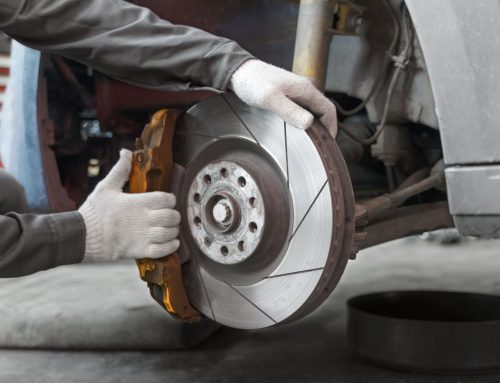
The brake rotors are the metal discs that the brake pads press against to create the necessary resistance to slow or stop the car. These discs are normally made from cast iron or carbon composite materials. Over time, they can become warped, cracked, or worn down from regular use, affecting braking performance.
A well-maintained rotor provides a smooth, even surface for the brake pads to grip. If the rotor becomes too thin or damaged, it may need to be replaced, as it can decrease braking efficiency and increase potential safety hazards.
Brake Calipers
The brake caliper is a fundamental part of the braking system as it houses the brake pads and applies them to the brake rotors. The brake caliper is activated by hydraulic pressure when you press the brake pedal, causing it to squeeze the brake pads against the rotors to create friction. Calipers come in two types: floating and fixed.
- Floating calipers move in and out to adjust to the movement of the pads as they wear down.
- Fixed calipers are stationary and apply consistent force to both sides of the rotor.
In either case, if your brake calipers become damaged or begin to leak brake fluid, it can cause poor braking performance and uneven wear on the brake pads.
Brake Lines
The brake lines are the tubes that carry brake fluid from the master cylinder to the rest of the brake system. Brake fluid is essential for transferring force from the brake pedal to the brake components, allowing you to slow down or stop the vehicle.
There are generally two types of brake lines: metal and rubber. Metal lines are more hard-wearing and resistant to damage, while rubber lines can become brittle over time and may need to be replaced to avoid leaks or brake fluid loss.
Master Cylinder
The master cylinder is the heart of your vehicle’s braking system. It is a hydraulic component that converts the force you apply to the brake pedal into hydraulic pressure. This pressure is then transmitted through the brake lines to activate the brake calipers, which apply pressure to the brake pads.
If the master cylinder begins to fail, you may experience a soft or unresponsive brake pedal. A malfunctioning master cylinder can compromise the entire brake system, so it’s pivotal to have it inspected and replaced if necessary.
Brake Fluid
Brake fluid is the hydraulic fluid that allows the brake system to operate by transferring pressure from the brake pedal to the braking components. Over time, brake fluid can become contaminated or degrade, lowering its effectiveness. Checking your brake fluid regularly is key, and topping it up or replacing it if needed. If your brake fluid is low or contaminated, you may notice lessened braking performance or a spongy brake pedal.
Brake Booster
The brake booster is an auxiliary component that uses vacuum or hydraulic pressure to assist in applying force to the brake pedal. This allows you to apply much less effort when braking, making the process smoother and more efficient. A malfunctioning brake booster can result in a heavy or hard-to-press brake pedal, substantially impacting your ability to stop the vehicle.
ABS (Anti-lock Braking System)
ABS is an important safety feature in modern vehicles that prevents the wheels from locking up during hard braking. When you apply the brakes hard, the ABS automatically pulses the brake pressure to each wheel, allowing the driver to maintain steering control. ABS components include sensors, a control module, and hydraulic valves. While not technically one of the standalone car brake parts, the ABS plays a critical role in overall braking execution and safety.
Parking Brake (Handbrake)
The parking brake, also known as the handbrake or emergency brake, is a separate brake system that uses cables and mechanisms to apply braking force to the rear wheels. It is typically used when parking the vehicle to prevent it from rolling. Although it is not intended for normal driving situations, it can also serve as a backup in case of brake system failure.
What’s in a Brake Kit?
You may encounter brake kits if you plan to replace or upgrade your car’s brakes. A brake kit with a great deal generally includes all the vital parts needed to replace the braking components on your vehicle. Common items found in a brake kit include:
- Brake Pads: The friction material that presses against the rotors.
- Brake Rotors: The discs that the brake pads press against.
- Callipers: The components that hold and press the brake pads against the rotors.
- Hardware: This may include clips, shims, and other small parts to ensure the proper installation and function of the braking components.
Some advanced brake kits may also include performance upgrades like drilled or slotted rotors for improved cooling. In addition, they may come with specialised brake pads for enhanced stopping power.
Conclusion
Your car’s brake system is one of its most vital safety features, and understanding the different brake components can help you keep it running effectively and safely. Each part is fundamental to guaranteeing you can stop your vehicle on time, from the brake pads that create friction to the master cylinder that converts pedal pressure into hydraulic force.
You’ll extend the lifespan of your vehicle’s brake system and certify your safety and the safety of others on the road by maintaining and replacing these components when necessary. If you’re due for a brake service or replacement, don’t hesitate to reach out to Sharp Brake to discuss which brake parts are best suited for your vehicle’s needs.
At Sharp Brake, we are the brake fitment experts your car needs. Book with us today for a dependable brake service experience.