Your car is a phenomenon of engineering. Its visual charm hides a network of finely tuned components working together flawlessly to certify your safety and comfort on the road. Although you may take pride in knowing the basics of your vehicle, an unnoticed part deserves more attention: the brake calliper. These rugged metal units are integral to your car’s braking system. Stopping securely would be nearly impossible without them, putting you and others in harm’s way.
As brake specialists, we at Sharp Brake understand the importance of educating drivers about their vehicles. In this handy guide, we’ll delve into the details of brake callipers: what they are, their function, their importance, and tips for maintaining them to keep your vehicle in terrific condition.
What Is a Brake Calliper For?
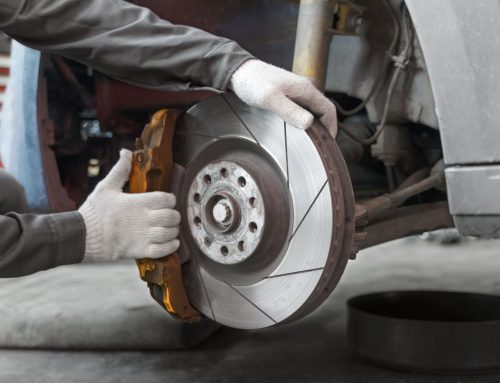
Brake callipers are fundamental to the optimal functioning of your vehicle. They’re located near each wheel, hugging the brake rotors (or discs). The callipers clamp down on the rotors to create the friction necessary to slow down or stop your car when you press the brake pedal.
Simply put, brake callipers are the bridge between the brake pads and the rotor guaranteeing your car responds effectively when you need to decrease speed. Your vehicle has a front brake calliper (absorbing the bulk of the braking pressure at 75%) and a rear brake calliper (taking on about 40% of the stopping force). They may differ, but the front brake calliper and rear brake calliper work tirelessly to secure your safety.
How Do Callipers Function?
Brake callipers house the brake pads and a set of pistons. Hydraulic fluid from the master cylinder exerts pressure on the calliper pistons when you step on the brake pedal. This action pushes the brake pads against the rotor, creating friction that decelerates or parks the car.
Their role cannot be overemphasised. Callipers provide the controlled and precise application of force that makes braking smooth and predictable. without properly functioning callipers, your car may experience limited braking capability, uneven stopping, or even total brake failure.
Are There Different Types of Callipers?
Yes, there are two main types of callipers.
Floating (or Sliding) Callipers
Floating callipers are the most common type and are designed to “float” or slide over the rotor. They use a single piston to press the brake pad on one side as the sliding mechanism establishes even pressure on both sides of the rotor.
Fixed Callipers
These callipers are more advanced and simultaneously use multiple pistons to apply pressure from both sides of the rotor. They are normally found in high-performance or luxury vehicles due to their superior braking capacity.
Each type has its advantages, but proper maintenance is necessary for both to perform at their peak.
What Are the Signs of Wear and Tear?
Brake callipers are resilient but can show signs of wear and tear over time. Some general indicators that your callipers may be due for a check include uneven braking. If your car pulls to one side while braking, it may be due to a stuck calliper. Leaking brake fluid is also a signal of a fault. Visible fluid around the wheels could indicate a damaged calliper seal.
Additionally, if your brakes are noisy—squealing or grinding when the brakes are in use, it might suggest worn brake pads or malfunctioning callipers. You may even notice diminished braking performance. A soft or spongy brake pedal could mean your callipers aren’t applying enough pressure. Lastly, visible rust or corrosion is another indicator for a specialist visit. Over time, exposure to moisture can cause callipers to rust, lowering their effectiveness.
What Are Some Tips for Maintaining My Brake Callipers?
Keeping your callipers in good condition is decisive for safe driving. Some productive maintenance tips include regular inspections. Have your brake system checked by professionals like Sharp Brake at least once a year. You may also want to clean your callipers to remove dirt and debris that accumulates after some time.
In addition, replacing brake pads on schedule can be preventative, worn brake pads can damage callipers and rotors. Monitor the brake fluid levels as well because low or contaminated brake fluid can affect calliper performance. Finally, address any issues immediately. Consult a specialist for a calliper reconditioning service immediately if you notice any wear or lessened braking efficiency.
How Often Should Callipers Be Serviced?
Brake callipers may be designed to last for several years, but they should be inspected during every routine brake service. Callipers can usually last for two years or 40,000 kilometers; however, factors like driving habits, road conditions, and exposure to moisture can impact their lifespan.
As Sharp Brake, we recommend scheduling regular maintenance to prolong your braking system, including the callipers, and keep it in top condition. Proactive calliper care can save you from expensive repairs down the road and, more importantly, save your life. Get a quote from a Sharp Brake expert today for your next calliper inspection.
Conclusion
What are brake callipers used for? They are the unsung heroes of your vehicle’s braking system. Their responsibility to warrant your safety cannot be overstated. Knowing what a brake calliper is, how it works, and how to maintain it equips you to take the best care of your car’s health.
At Sharp Brake, we’re dedicated to keeping your brakes in perfect working order. If you have questions or need expert assistance, trust our team to provide the professional care your vehicle deserves. Remember, well-maintained brakes are key to safe and smooth driving.